


Chancellor John Healey is alleged to be contemplating modifications to enterprise charges reduction that might exempt some companies from the tax altogether, in a bundle of measures for his first Funds on 28 October.
The price of doing enterprise is predicted to be one of many Chancellor’s key Funds themes. It was reported right now that he has held a sequence of workshops with enterprise teams over the previous fortnight on reviving the UK’s outlets.
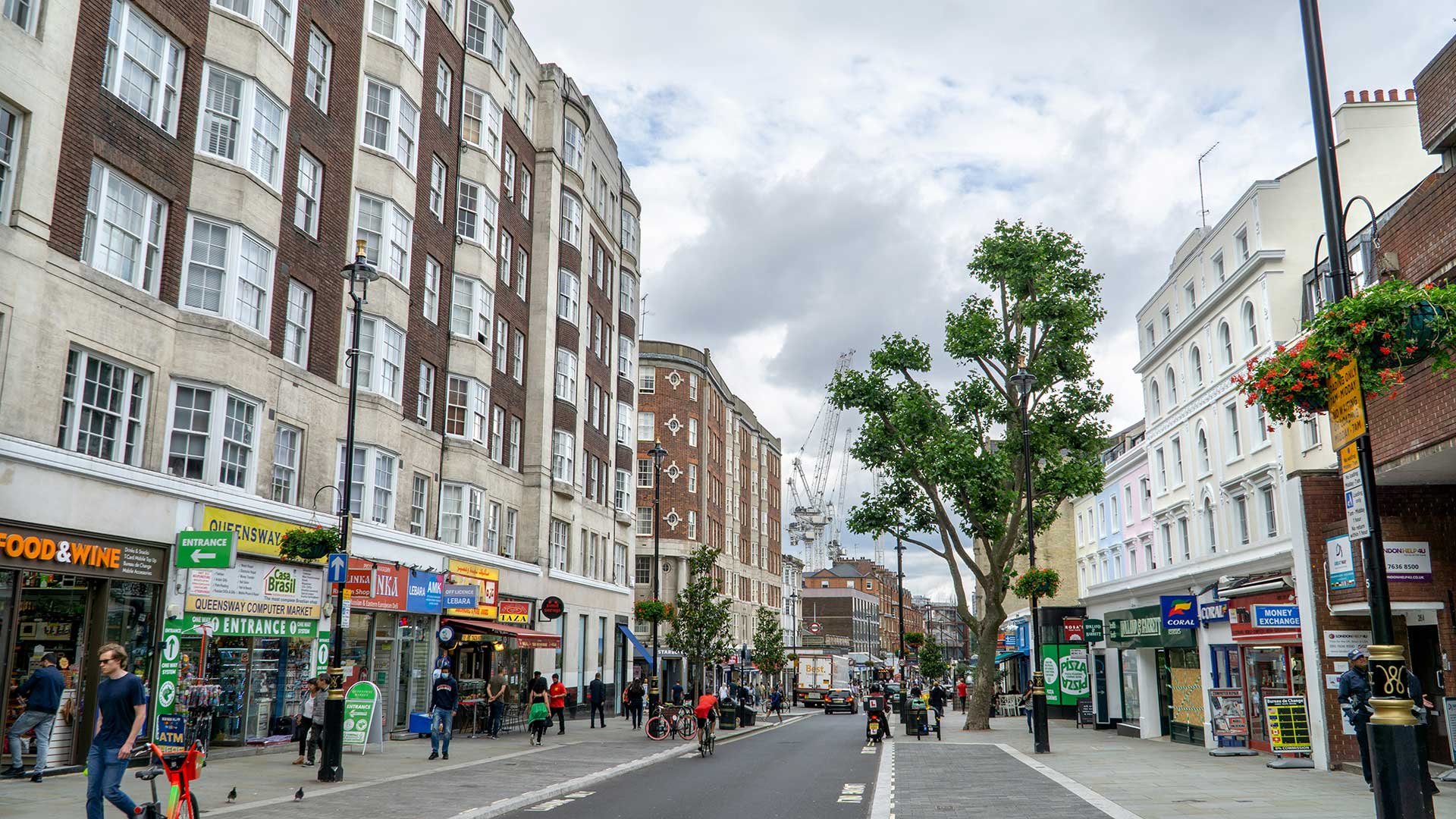
The workshops observe Prime Minister Andy Burnham’s pledge to show excessive streets, which he has referred to as “markers of decline”, right into a “image of Britain’s renaissance”. Mr Burnham has urged Labour to “hearken to small companies extra” to spice up development.
One possibility is to lift the brink for small enterprise charges reduction, which exempts companies in premises with a rateable worth of lower than £12,000. That determine was frozen whereas a nationwide revaluation happened. Uprating it consistent with inflation would take it to £17,096, that means 1000’s of corporations might pay no enterprise charges in any respect.
Tapered reduction may be launched for companies in properties with a rateable worth of as much as £20,000.
Payments rose for a lot of ratepayers in April after the nationwide revaluation of business property, in some circumstances by as a lot as 80 per cent, with the will increase as a consequence of be phased in.
An additional possibility is to extend the Treasury’s transitional reduction, designed to ease the influence of escalating payments, and to elongate the transition interval. Smaller companies at the moment have their payments capped at not more than 5 per cent this 12 months, 10 per cent subsequent 12 months and 25 per cent in 2028-29, plus inflation.
Pubs and hospitality
Mr Burnham has beforehand promised enterprise charges assist for pubs, golf equipment and dwell music venues, a 20 per cent lower he says will save the typical agency £1,100 a 12 months from April 2027.
The British Beer and Pub Affiliation estimates that elevating the reduction threshold from £12,000 to £18,000 would pull 5,000 pubs out of paying enterprise charges. It might additionally scale back the tax invoice for a lot of espresso outlets and smaller retailers.
Greater than 4 pubs are closing a day, in keeping with the Marketing campaign for Actual Ale. Its chief govt advised the Telegraph right now: “We’ve lengthy referred to as for a rise in thresholds as this could assist the native keep open, hold folks in work, and stay the spine of the neighborhood, and we’d strongly welcome this measure alongside a consideration of better transitional reduction.”
David Hale, authorities affairs director on the Federation of Small Companies, which has lobbied the Treasury for extra reduction, mentioned it could make the case for a “correct, sizeable enhance to small enterprise charges reduction”.
He mentioned “taking giant numbers of small companies out of this dated tax altogether” was “an important ingredient of a pro-small enterprise funds” and would assist “to make a actuality of the promise of respiratory house to come back”.
Kate Nicholls, chairman of UKHospitality, mentioned the commerce physique was “working with the federal government to ensure that eating places, cafes and inns obtain comparable assist on enterprise fee modifications on the Funds”.
Mansion tax and defence
Mr Healey might additionally announce extra assist for entrepreneurs and go additional on plans to purchase British in public procurement, together with in defence. He faces wider strain on the general public funds and a £5bn defence funds deficit left by Sir Keir Starmer, the previous prime minister.
A Treasury spokesman mentioned: “As has all the time been the case, selections on tax are a matter for the Chancellor to set out at fiscal occasions, slightly than routinely commenting on hearsay, hypothesis or proposals.”
Authorities sources have confirmed that Mr Healey is taking a look at widening the so-called mansion tax, formally generally known as the excessive worth council tax surcharge, to properties value greater than £1.5m. As much as 300,000 properties could possibly be affected, significantly in London and the south-east.
The Mail on Sunday reported on 5 July that Mr Burnham might decrease the brink from £2m to £1.5m, leaving house owners within the new bracket dealing with four-figure sums in tax. Mr Burnham has beforehand dismissed the tax as too “symbolic” and mentioned it leaned into “the politics of envy” when it was championed by the previous Labour chief Ed Miliband in 2015.