


Your assist helps us to inform the story
From reproductive rights to local weather change to Huge Tech, The Impartial is on the bottom when the story is growing. Whether or not it is investigating the financials of Elon Musk’s pro-Trump PAC or producing our newest documentary, ‘The A Phrase’, which shines a lightweight on the American girls combating for reproductive rights, we all know how necessary it’s to parse out the information from the messaging.
At such a crucial second in US historical past, we’d like reporters on the bottom. Your donation permits us to maintain sending journalists to talk to either side of the story.
The Impartial is trusted by Individuals throughout your complete political spectrum. And in contrast to many different high quality information retailers, we select to not lock Individuals out of our reporting and evaluation with paywalls. We imagine high quality journalism ought to be out there to everybody, paid for by those that can afford it.
Your assist makes all of the distinction.
Learn extra
The authorities, we have been instructed this week, would quote such as you to purchase some tins. Britons are set to be inspired to maintain bottled water and non-perishable meals at residence beneath a brand new nationwide resilience marketing campaign designed to arrange households for disruption brought on by every thing from excessive climate to cyber assaults.
It’s an invite to contemplate a query most of us haven’t thought of because the pandemic: if the retailers shut, the lights went out and the faucet stopped operating, what precisely would you eat?
Present authorities steerage recommends retaining bottled water and meals that won’t perish or want cooking – resembling ready-to-eat tinned meat, fruit and greens – however doesn’t prescribe a set variety of days to arrange for.
“For 3 days, I wouldn’t fear about making the food plan good,” says Bahee Van de Bor, a paediatric dietitian and member of the British Dietetic Affiliation. “I’d give attention to having sufficient meals and fluid, after which ensuring you’ve gotten a mixture of carbohydrate meals, protein, fruit or greens and a few fat.
“The hot button is selecting meals your loved ones already eats and which can be genuinely sensible if you happen to can’t cook dinner.”
Stretch that precept throughout per week or a fortnight and the identical guidelines apply. So what’s truly value stockpiling – and what isn’t?
The healthiest meals to stockpile
Dr Sammie Gill, senior diet scientist on the British Diet Basis, says the intention ought to be “a steadiness of complicated carbohydrates, proteins, more healthy or unsaturated fat, and fruit and veggies”.
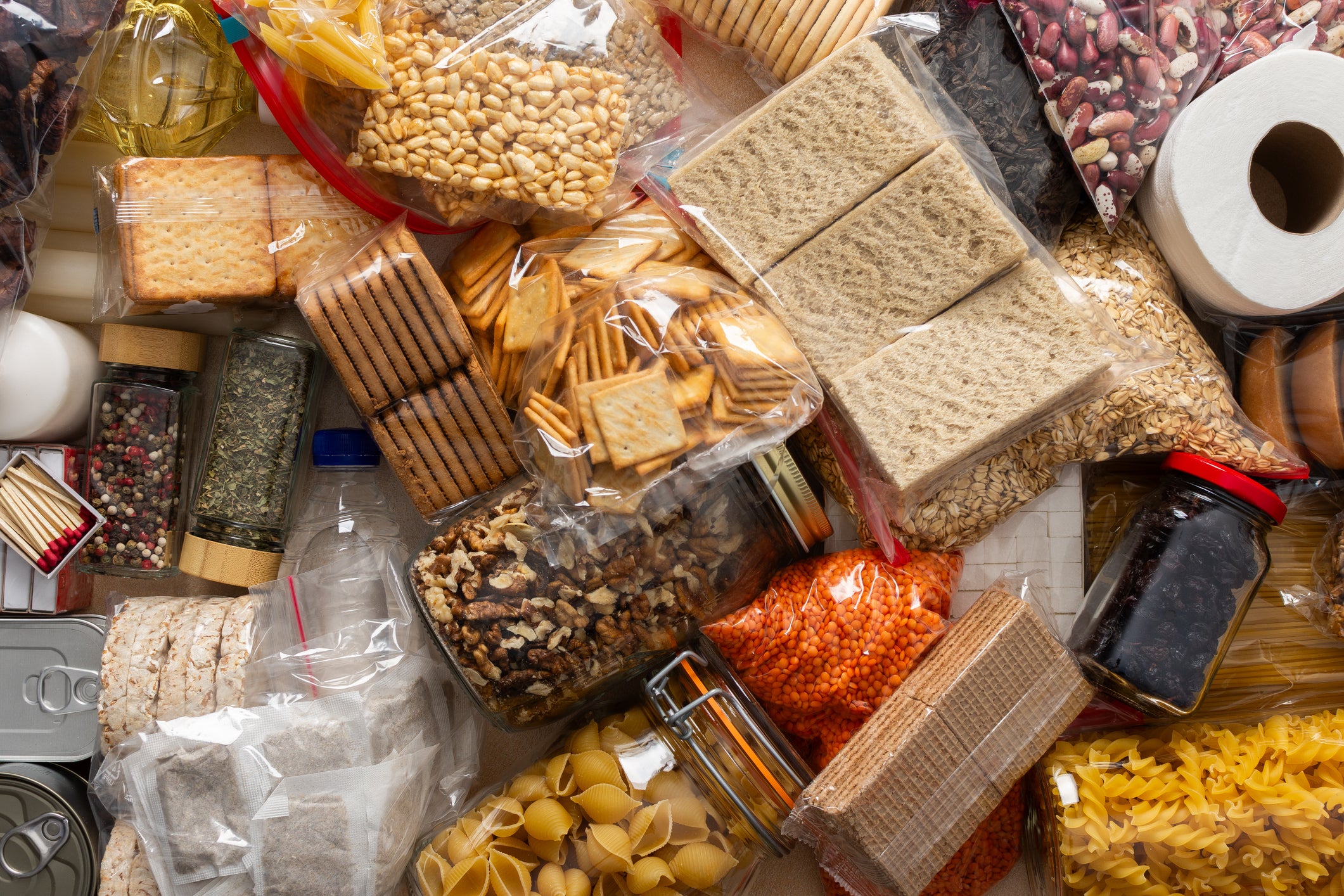
In apply, the apparent place to begin is pulses. Chickpeas, lentils, butter beans, kidney beans and baked beans all present carbohydrate, protein and fibre, want no refrigeration earlier than opening and could be eaten chilly.
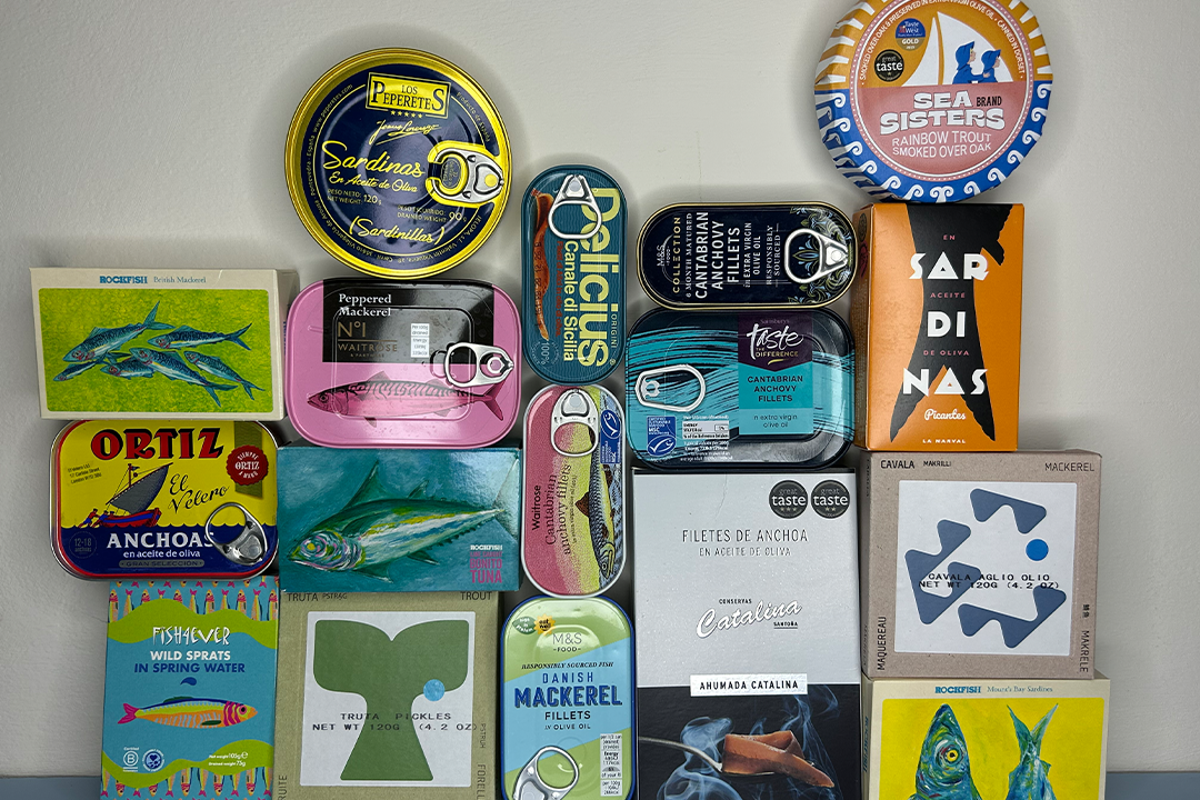
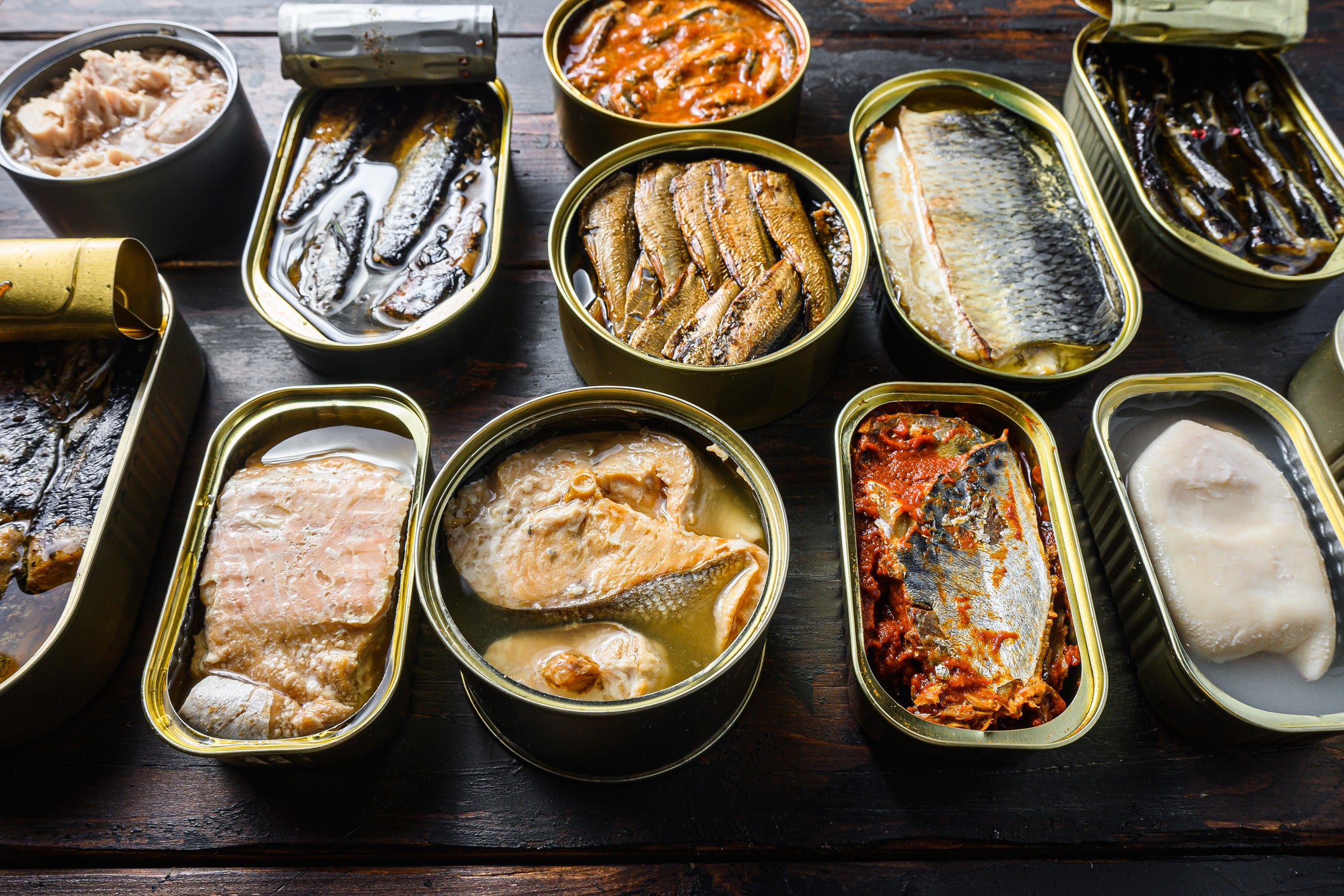
Tinned fish does one other job. Tuna provides protein whereas sardines, mackerel and salmon additionally add unsaturated fat, together with omega-3.
For anybody questioning the place ultra-processed meals suits into all this, meals doesn’t change into nutritionally nugatory just because somebody places it in a can. “Tinned meals are completely tremendous and I feel they get an unfairly unhealthy popularity,” says Van de Bor. “Tinned fish, beans, lentils, tomatoes, greens and fruit can all be actually helpful staples and nonetheless contribute to a nutritious diet.”
Gill says the dietary gulf between recent and tinned meals is commonly smaller than individuals assume. “Typically, there may be little distinction nutritionally between canned and recent meals by way of macronutrients, like carbohydrates, protein, fat and fibre, in addition to fat-soluble nutritional vitamins like nutritional vitamins A and E, and minerals, though nutrient ranges can differ relying on the meals, processing strategies and storage situations.”
She recommends selecting tinned meals packed in water moderately than brine or syrup the place doable, to keep away from unnecessarily loading up on salt or sugar.
“When selecting issues like tinned soup, fish, beans and greens, examine the salt or sodium content material between manufacturers and select the decrease choice the place it is smart,” provides Van de Bor.
Carbohydrates want a bit of extra thought. Rice and pasta hold for a very long time within the cabinet, however are much less helpful if the electrical energy and gasoline are off and the water is proscribed. They’re nonetheless value retaining if cooking stays doable, however shouldn’t be the muse of a power-cut plan.
Wholegrain crackers, oatcakes and crispbreads are extra helpful within the worst-case state of affairs. Oats could be soaked moderately than cooked, whereas high-fibre breakfast cereal requires no preparation in any respect.
“Powdered milk (made up with water) is an effective choice,” Gill says. “UHT milk could be saved for months unopened. Soaked oats in UHT milk is another choice.”
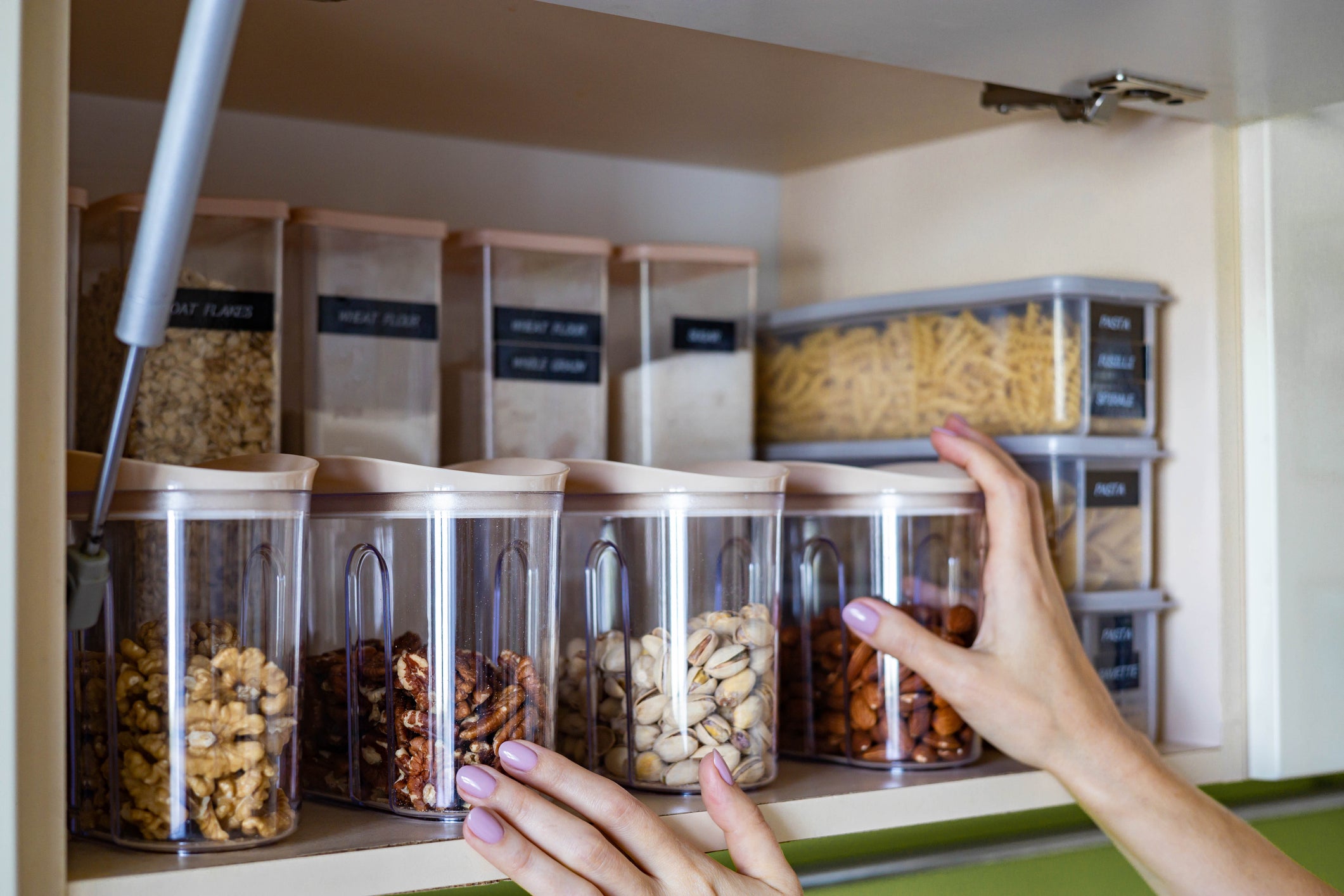
Peanut butter additionally earns its place. It retains, requires no preparation and supplies protein, fats and loads of power in a small quantity. Unsalted nuts carry out an identical function, whereas dried fruit provides one thing candy and long-lasting.
If an emergency stretches right into a second week, the cabinet additionally wants meals you’ll nonetheless wish to eat on day 12. Oil, sauces, mustard, herbs and spices – all of which could be saved for lengthy durations – could make repeated meals significantly extra interesting. Tea, espresso and some favorite snacks are value together with for selection and morale.
What if you happen to can’t cook dinner?
That is the place a standard kitchen cabinet and an emergency stockpile half firm.
“You’ll be able to nonetheless put collectively moderately balanced meals with out cooking,” Van de Bor says. “For instance, tinned chickpeas with sweetcorn, tomatoes and tuna; oatcakes with nut butter and fruit; or beans with crackers and tinned greens.
Rice, pasta, dried beans and lentils are nonetheless helpful if the facility stays on or you’ve gotten one other secure strategy to cook dinner – resembling a tenting range, perfect for each festivals and apocalypses – however something that wants boiling additionally consumes water chances are you’ll be making an attempt to preserve.
If the facility does keep on, frozen meals can play a supporting function. “I’d additionally hold frozen greens at residence as a part of regular emergency planning,” Van de Bor says. “They’re nutritious, normally good worth and scale back meals waste. Recent soup could be frozen and bread freezes very nicely too. I simply wouldn’t rely totally on the freezer as a result of if the emergency includes a protracted energy minimize, these meals clearly change into much less helpful.”
The sensible take a look at is easy: might you open it and eat it safely with no hob, microwave or fridge? If the reply is sure, it belongs within the stockpile.
How a lot water do you really want?
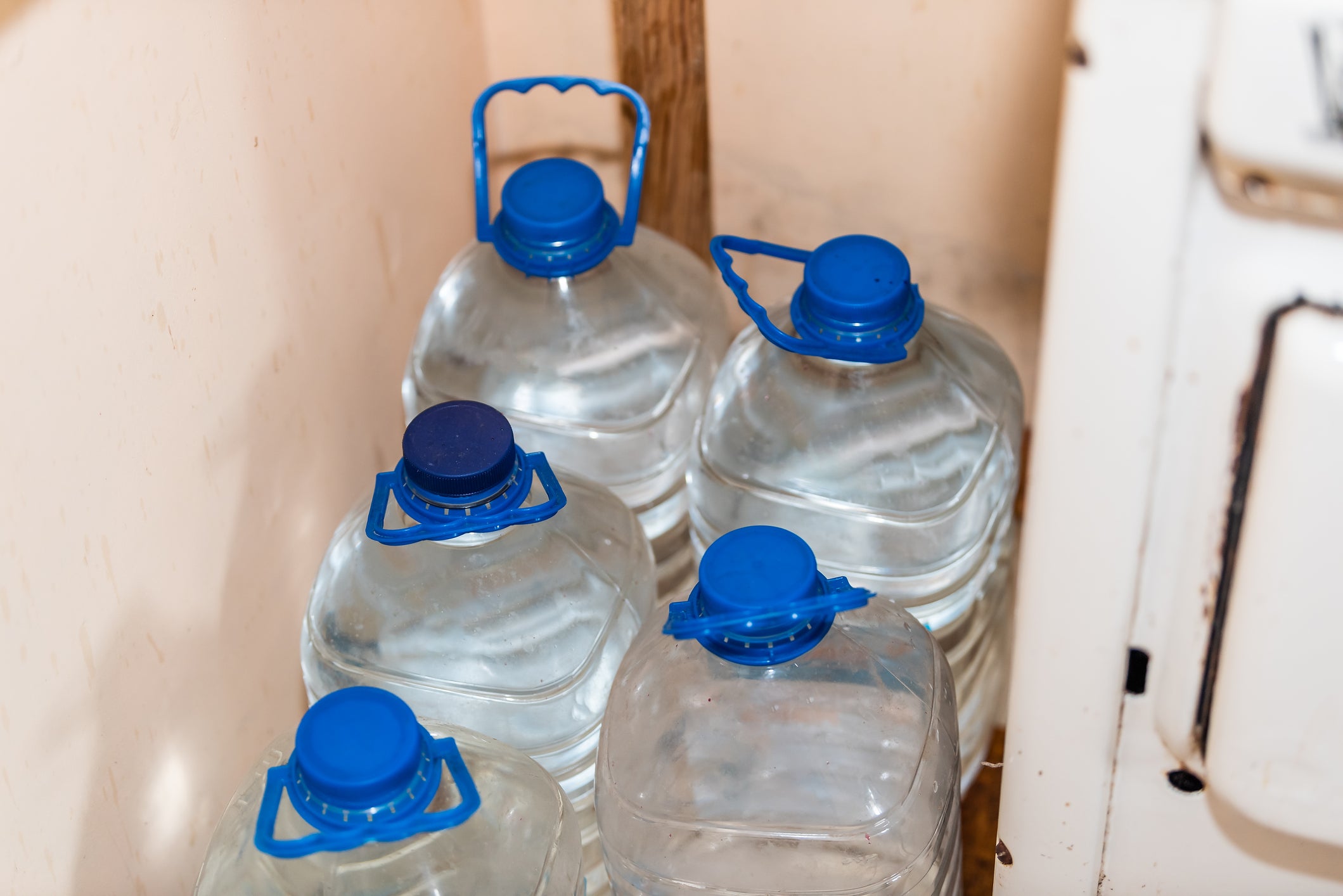
Water is the more durable half. Authorities steerage recommends a minimal of two.5 to a few litres of consuming water per individual per day for survival. Over a fortnight, that works out at 35 to 42 litres for each individual in the home. At three litres a day, a household of 4 would wish 168 litres – 112 giant 1.5-litre bottles – earlier than contemplating a lot water for something past consuming.
The federal government additionally says 10 litres per individual per day supplies higher consolation by permitting for fundamental cooking and hygiene as nicely. For a fortnight, that will be 140 litres per individual. Infants, some medical gadgets and pets can push the requirement greater nonetheless.
Most British houses are nowhere close to near being that ready. A Cupboard Workplace survey of greater than 10,000 UK adults discovered that 60 per cent mentioned that they had sufficient non-perishable, no-cook meals for about three days. However simply 4 per cent of respondents had sufficient bottled water to final their family three days or extra; 82 per cent had lower than a day’s value.
There are apparent boundaries, resembling lack of cash, whereas 1 / 4 apprehensive about shopping for merchandise that will ultimately go old-fashioned and be thrown away. One other 18 per cent lacked the cupboard space.
How lengthy will meals and water final?
The wise factor to do is to not create an untouched bunker of beans. Purchase meals you already use, hold a bit of extra of them in the home and exchange every merchandise as it’s eaten.
“And if in case you have kids, hold meals they really like,” says Van de Bor. “An emergency shouldn’t be the time to immediately introduce a cabinet stuffed with meals they usually refuse.”
How lengthy the stockpile lasts will depend on the product. The Meals Requirements Company distinguishes between a use-by date, which considerations security, and a best-before date, which considerations high quality. Many shelf-stable meals carry the latter, so dates ought to be checked alongside the producer’s storage directions.
The FSA additionally advises towards consuming meals from tins which can be broken.
In the meantime, bottled water could be saved for a very long time – usually as much as two years in keeping with official steerage, supplied it’s saved someplace cool, away from direct daylight, mud, fumes and chemical compounds and rotated in keeping with their best-before dates.
Present authorities steerage recommends shopping for sealed bottled water for emergency storage moderately than filling your individual containers from the faucet as a result of the sealed, food-grade packaging presents longer-lasting security and high quality.
An emergency meals stockpile needn’t resemble a navy ration. Pulses, fish, greens, fruit, oats, crackers, nuts, nut butters and long-life milk cowl a shocking quantity of dietary floor, supplemented by meals you truly get pleasure from consuming.
Maybe essentially the most helpful recommendation? Don’t neglect the tin opener.