



Need to bookmark your favorite articles and tales to learn or reference later? Begin your Unbiased Membership in the present day.
Be a part of in the present day
Already a member?
Log in
Your assist helps us to inform the story
From reproductive rights to local weather change to Huge Tech, The Unbiased is on the bottom when the story is growing. Whether or not it is investigating the financials of Elon Musk’s pro-Trump PAC or producing our newest documentary, ‘The A Phrase’, which shines a lightweight on the American girls preventing for reproductive rights, we all know how necessary it’s to parse out the information from the messaging.
At such a important second in US historical past, we’d like reporters on the bottom. Your donation permits us to maintain sending journalists to talk to each side of the story.
The Unbiased is trusted by Individuals throughout the complete political spectrum. And in contrast to many different high quality information shops, we select to not lock Individuals out of our reporting and evaluation with paywalls. We consider high quality journalism needs to be out there to everybody, paid for by those that can afford it.
Your assist makes all of the distinction.
Learn extra
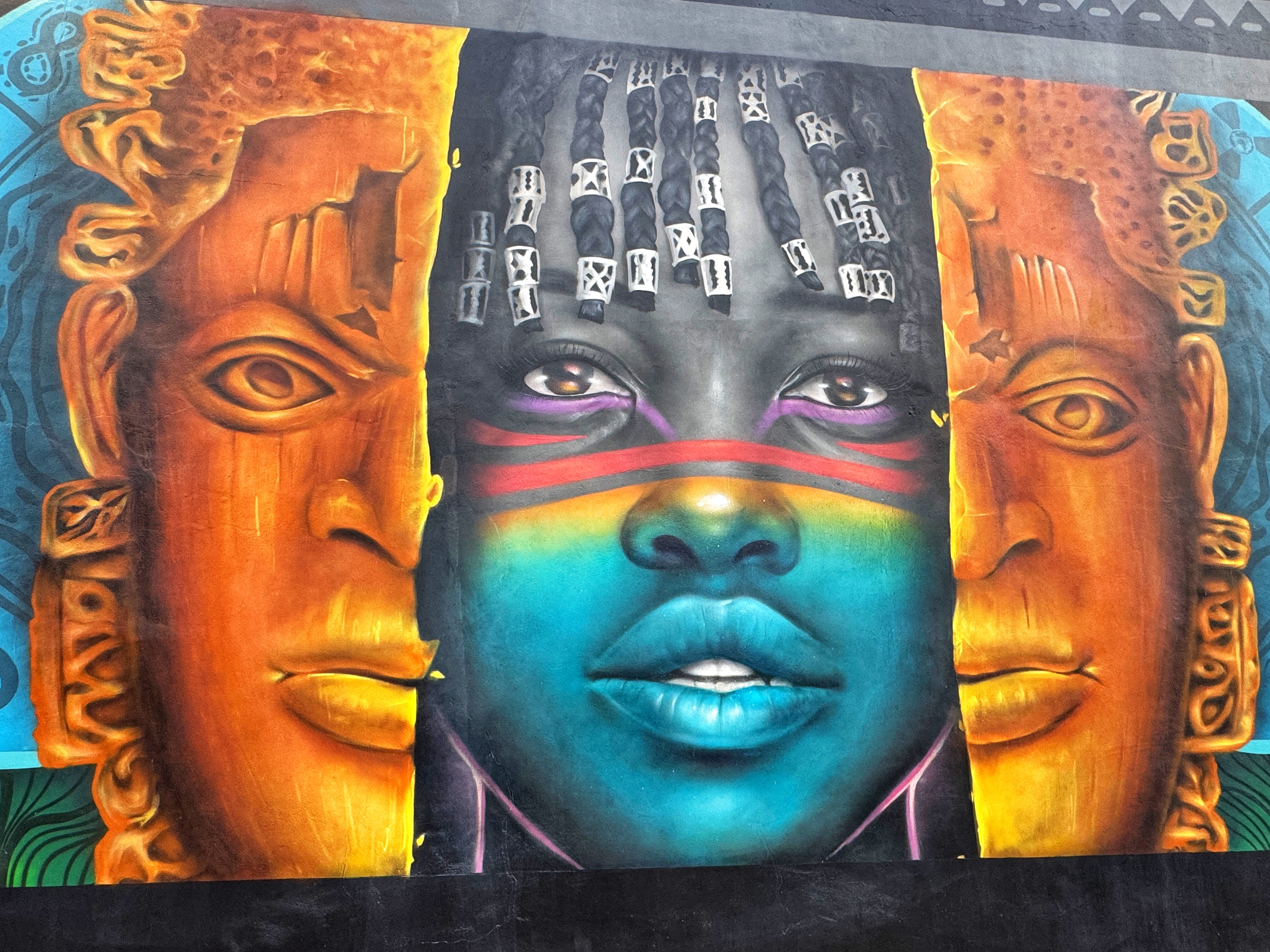
Of all of the issues I anticipated to search out in Benin, a 30-foot spaceman wasn’t on my record. He stares again at me in opposition to a riot of color, wanting nearly as stunned to see me as I’m him.
The mural is a part of Africa’s largest road artwork wall, the Marina Boulev’artwork, in Benin’s largest metropolis, Cotonou. Unveiled in 2024, presently there are depictions of Benin’s historical past and ambitions for the longer term from 40 native and diaspora artists. It’s practically a kilometre lengthy and continues to develop with critical, satirical and playful creations. One mural reveals locals embracing throughout spiritual divides; one other splits an historic masks open to disclose the serene face of a teenage woman.
Wedged between regional heavyweights Ghana and Nigeria, Benin stays ignored by many worldwide travellers, regardless of current heavy funding in tourism and cultural initiatives. However this torch-shaped nation packs an outsized cultural and historic punch.
Standing at practically 17 metres tall, the “Door of No Return” in Ouidah, an hour’s drive west from Cotonou, symbolises the darkest chapter of Benin’s historical past. Hundreds of thousands of Africans have been compelled onto slave ships from this shoreline. The Rue des Esclaves from Ouidah to the coast was the best-preserved thoroughfare in the entire area, constructed to hurry the ultimate journey of captives in the direction of the ships.
Our information from Mowoki Excursions, Essodong, explains that many captives by no means even reached the ships, with these deemed too weak to outlive the journey murdered by their captors previous to transit, or taking their very own lives on the sight of the Atlantic.
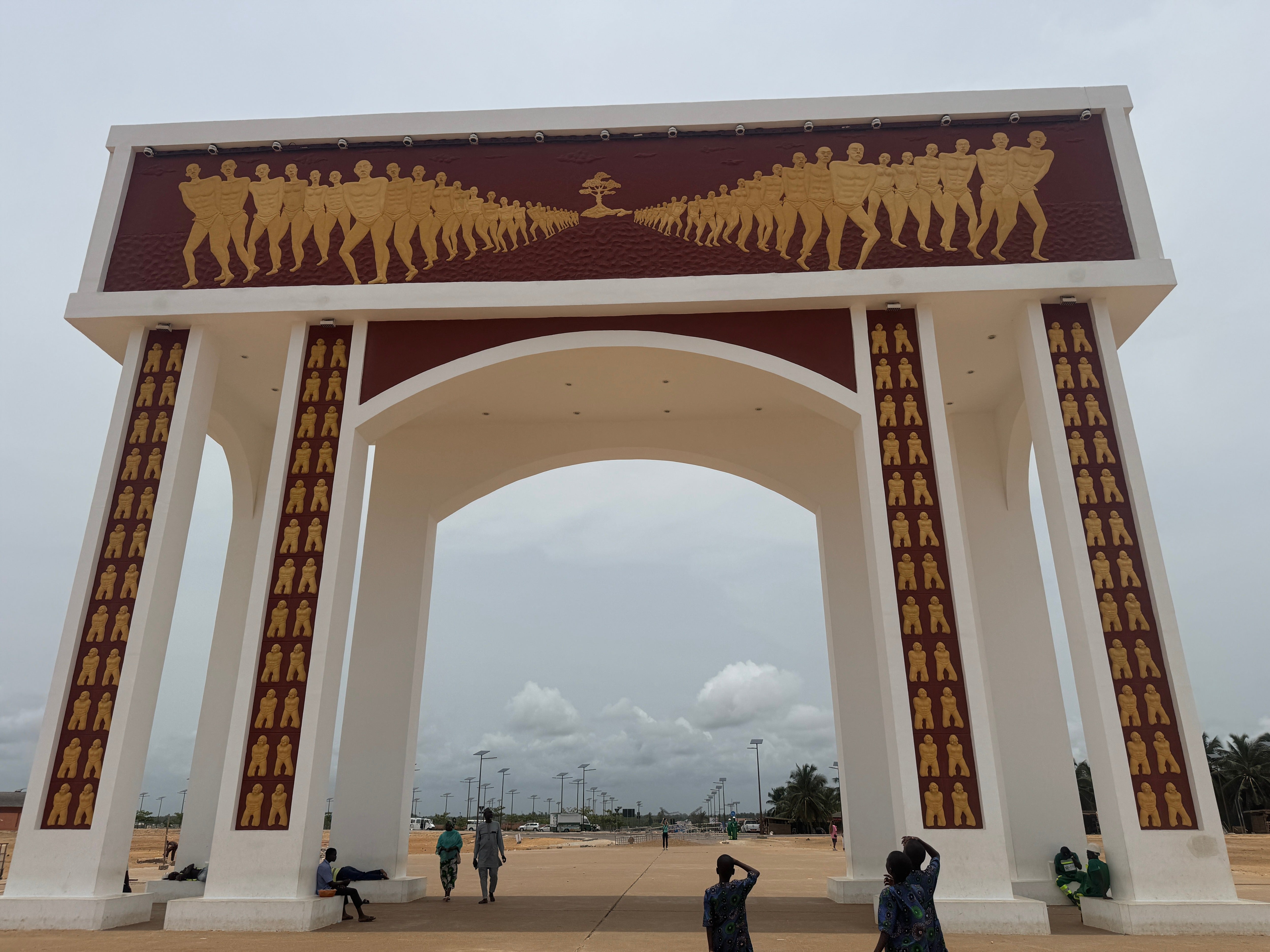
Carved into the arch of the door are haunting figures of chained captives strolling in the direction of the Atlantic, away from the “Tree of Forgetfulness”. In Vodun custom, captives circled this tree earlier than departure, symbolically severing ties with their homeland.
Standing right here on a peaceful morning, little is required to think about the corrosive agony of such a spot and the horrors those that have been introduced right here endured. Benin nonetheless wrestles overtly with this darkish historical past. The nation deserted the title Dahomey – the title of the pre-colonial kingdom – in 1975, partly due to the dominion’s central position in supplying slaves to European merchants.
Learn extra: Why it’s value flying to South Africa for winter solar
Ouidah’s different principal attraction attracts on the identical spirituality because the Tree of Forgetfulness. Confounding the Western stereotype of curses and pin-filled dolls, Vodun is a vibrant, dwelling perception system and an official faith of Benin.
A number of miles from the Door of No Return, within the centre of Ouidah, lies the Python Temple, the place the resident snakes are sacred, believed to supply a bridge between the dwelling and the gods. It welcomes guests, who’re permitted to deal with the snakes, and demystifies the cliches many have of the faith.
The Temple faces town’s early Twentieth-century basilica. In contrast to different nations within the area, Benin’s religious prism is decidedly versatile. Many inhabitants mix conventional practices with a sprinkling of Catholicism; attending Mass on a Sunday, leaving an providing on the Vodun temple on their method residence.
“Greatest to go away nothing to probability,” Essodong explains with a smile.
Proximity of sacred areas creates occupational hazards, with clergymen discovering the odd python slithering among the many pews. Slightly than eliciting screams, a python in your home is taken into account a very good omen in Vodun custom. They’re calmly returned to the temple, as in the event that they have been forgotten gadgets of clothes.
The ultimate cease on our Beninese street journey begins exactly the place the street runs out.
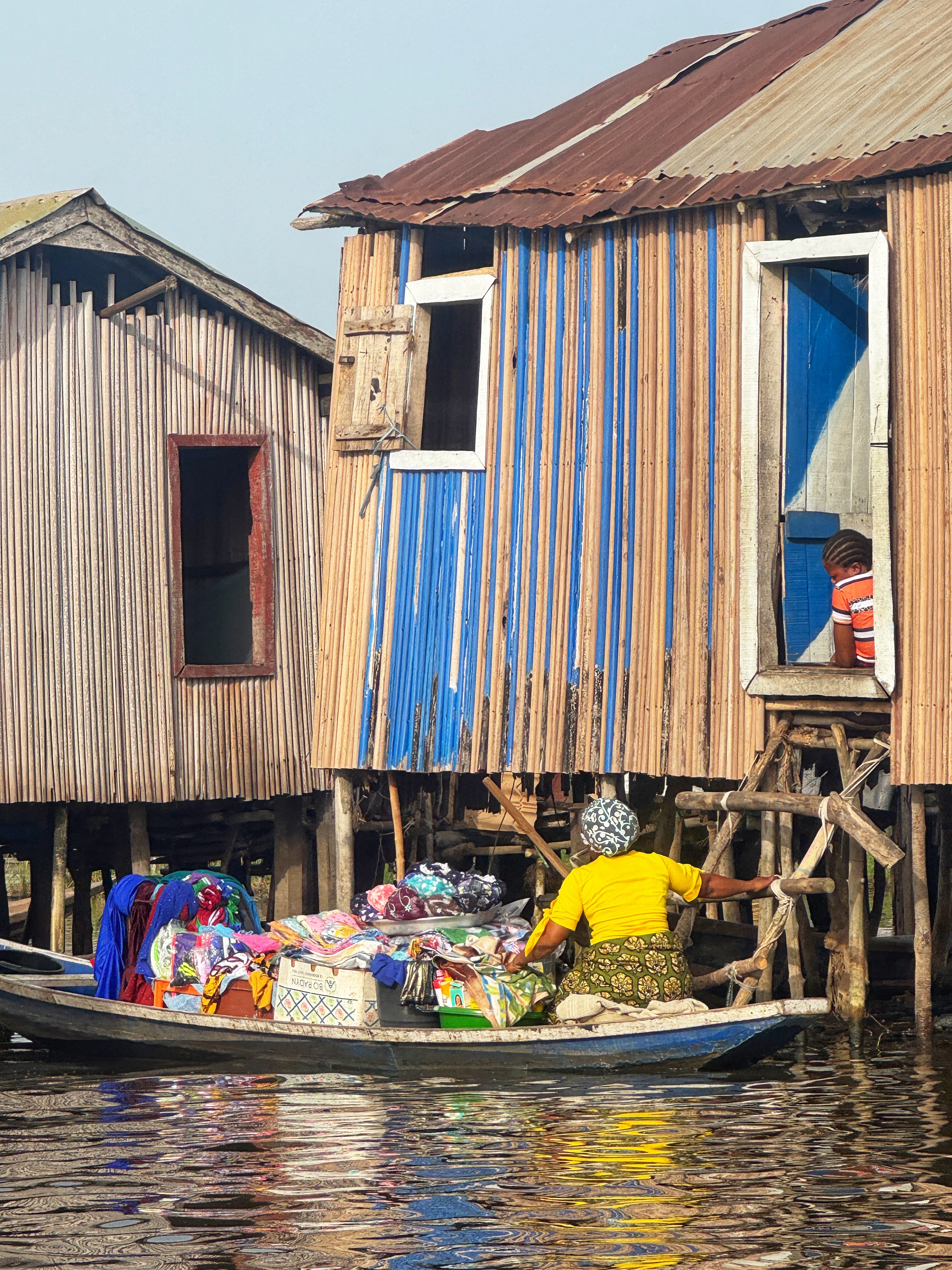
Ganvié is usually dubbed the Venice of Africa, but it surely actually needs to be past lazy comparisons. Some 25,000 individuals reside, work and socialise in buildings hoisted on stilts above Lake Nokoué, which is separated from the Atlantic by a slim sandbar occupied by town of Cotonou.
Like a lot in Benin, its origins hyperlink to the slave commerce, however right here with a story of defiance and resistance. In a determined escape from native slavers, the Tofinou individuals fled to the banks of Lake Nokoué. In line with legend, they have been carried throughout the water on the again of a large crocodile, which stays the image of the city. Appropriately, Ganvié interprets as “we survived”.
At first look, the homes on stilts look fragile, as if a stiff gust may scatter them throughout the lake. Up shut, they really feel reassuringly stable, as they’d have to be after sheltering generations of Ganvié residents for 4 centuries.
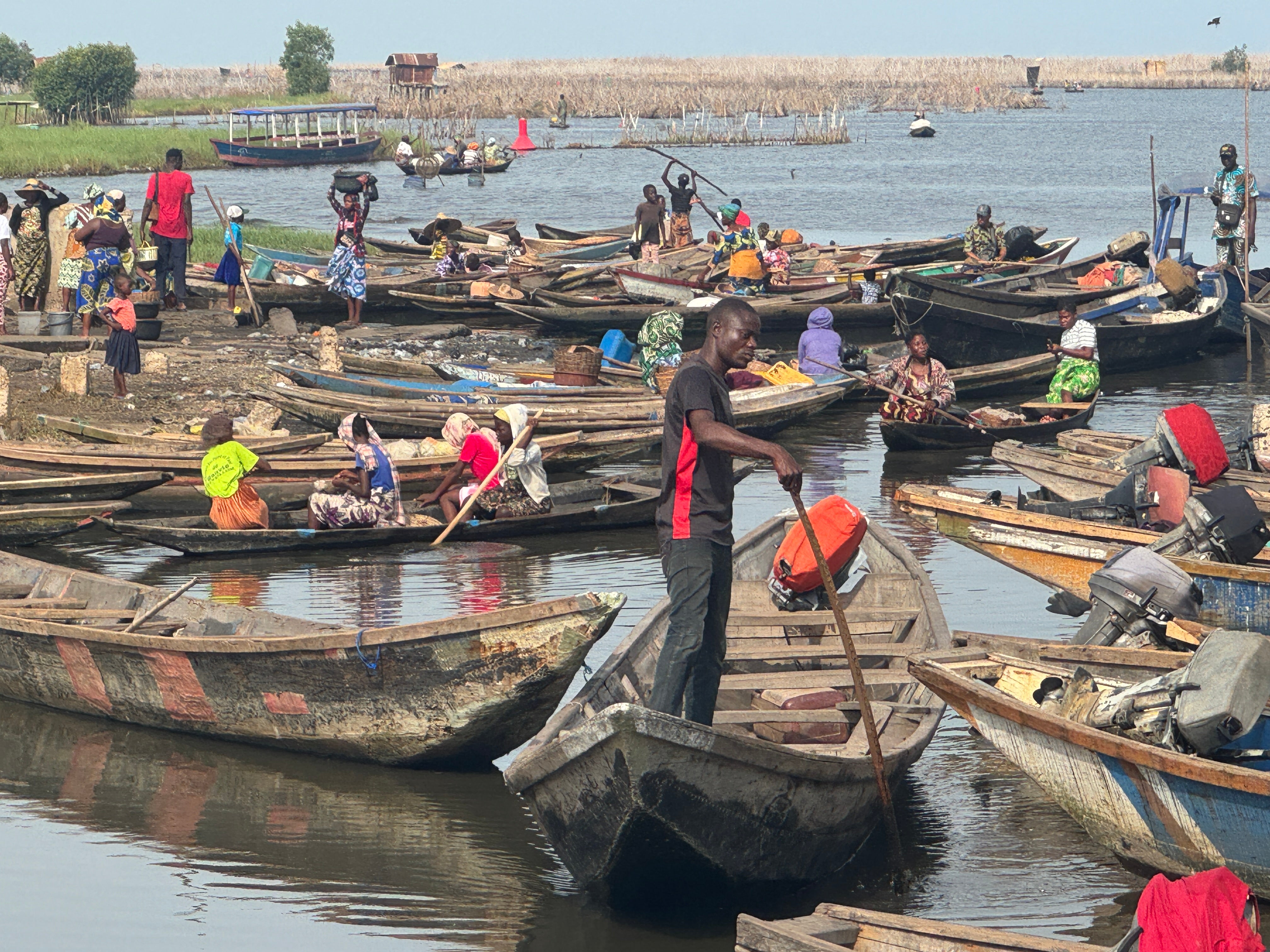
Within the late afternoon mild, Lake Nokoué glitters like liquid silver. Commuter boats, as packed as any rush hour subway, criss-cross the water whereas girls in vivid headwraps steer pirogues stacked with blue gasoline containers. Most hanging are the kids, some barely 5 years previous, paddling confidently and casting fishing nets with practised ease.
Boys break off from their fishing to wave, crying out “yovo, yovo” (the ever-present phrase for “white individual”), adopted by a flurry of phrases in Tofinu, the native language.
Essodong explains they’re inviting us to hitch them of their fishing expedition. After we demur, commenting on lack of expertise, he laughs.
“Oh they know you’d be ineffective, however having a yovo on board is alleged to carry success.”
I suppose it’s extra sensible than discovering a python.
Ganvié’s future is fragile. Air pollution, overfishing and invasive water hyacinths threaten the lake ecosystem, though locals weave the choking vegetation into baskets and mats, repurposing what the lake supplies as they’ve for hundreds of years. Many hope elevated tourism can fund infrastructure enhancements and create sufficient alternative to gradual the regular drift of younger individuals to the mainland.
Again in Cotonou, darkness falls like a portcullis as we attain the tip of the Marina Boulev’artwork. It’s removed from quiet, with zems (motorbike taxis, whose title delightfully interprets as “get me there quick”) whizzing out and in of gaps within the site visitors, drivers carrying yellow vests like a hive of overactive bees.
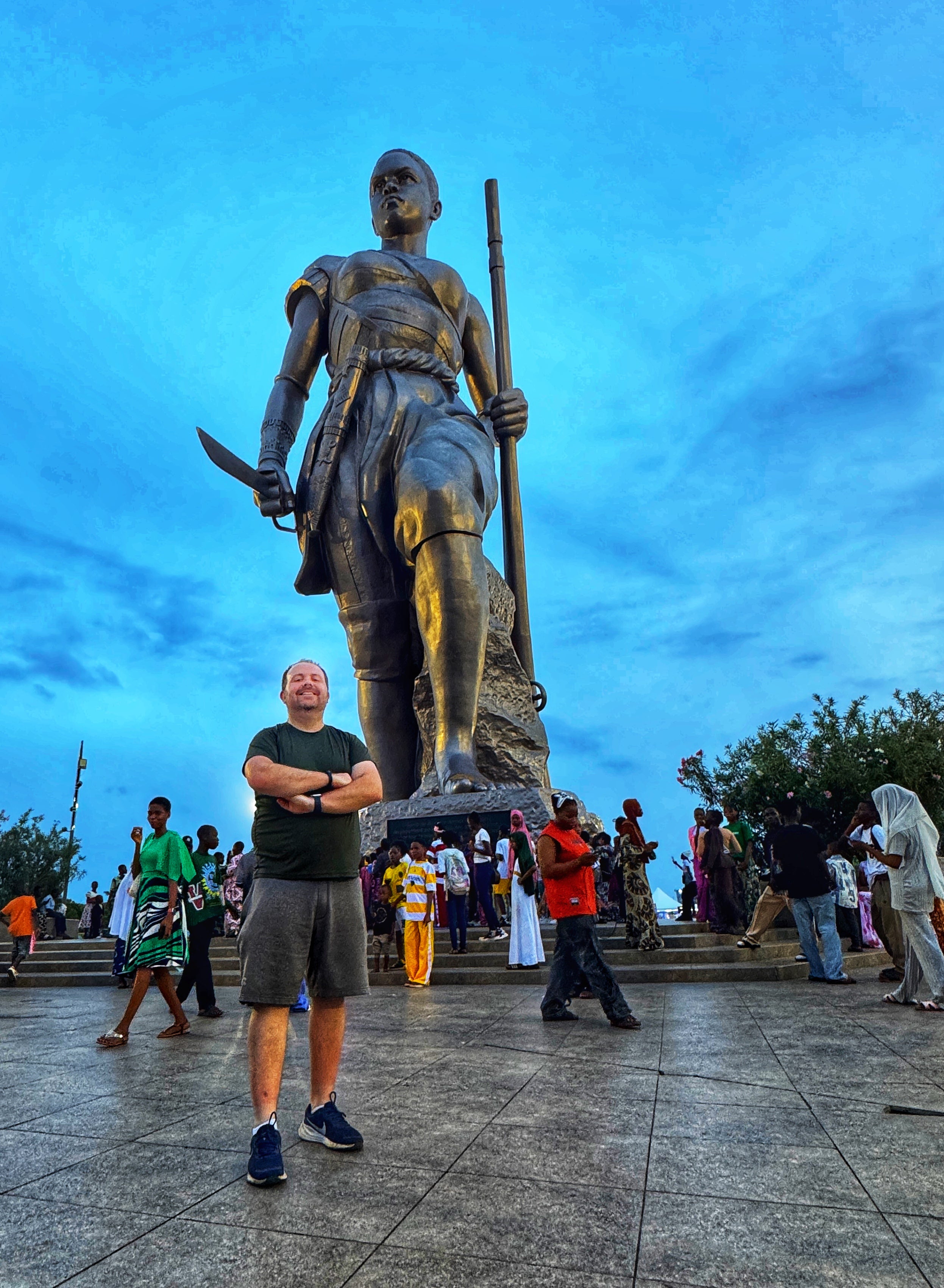
Close by stands a 30-metre excessive bronze tribute to the Dahomey Amazons, the elite all-female navy regiment that astonished Nineteenth-century European guests. Now the second tallest statue in Africa, it symbolises the pivotal position of ladies in Beninese historical past.
It’s turn into a focus of a rustic that’s a whirl of vibrant movement, and is trying to a assured future with out shedding its grip on its complicated historical past. Teams of schoolchildren climb onto the plinth and {couples} take selfies in entrance of their heroine who’s each new and previous concurrently. Though this one isn’t carrying a spacesuit.
Learn extra: No crowds and luxury all through – experiencing Africa’s wildest coast
Find out how to do it
Return flights to from the UK to Cotonou begin at £650 with Air France, with one connection, often in Paris.
E-visas to Benin will be obtained at evisa.bj (£43 for single entry) and needs to be utilized for a minimum of seven days previous to journey.
Boats to Ganvié by taxi or zem will be booked on ride-hailing app Gozem.
For longer excursions to Benin, and multi-country visits, reserving via a specialist company is beneficial. Mowoki Excursions, present customised itineraries with an English-speaking information and driver.
The place to remain
A brief stroll from the Marina Boulev’artwork, B&B Chez Rita is a quiet haven in Cotonou with 5 air-conditioned rooms, providing complimentary breakfast. Airport transfers can be found. Rooms from £35 per night time.
Casa Del Papa is a brief drive from Ouidah and affords a pool, two eating places and spacious clear rooms with lagoon or ocean views. Rooms from £105 per night time.